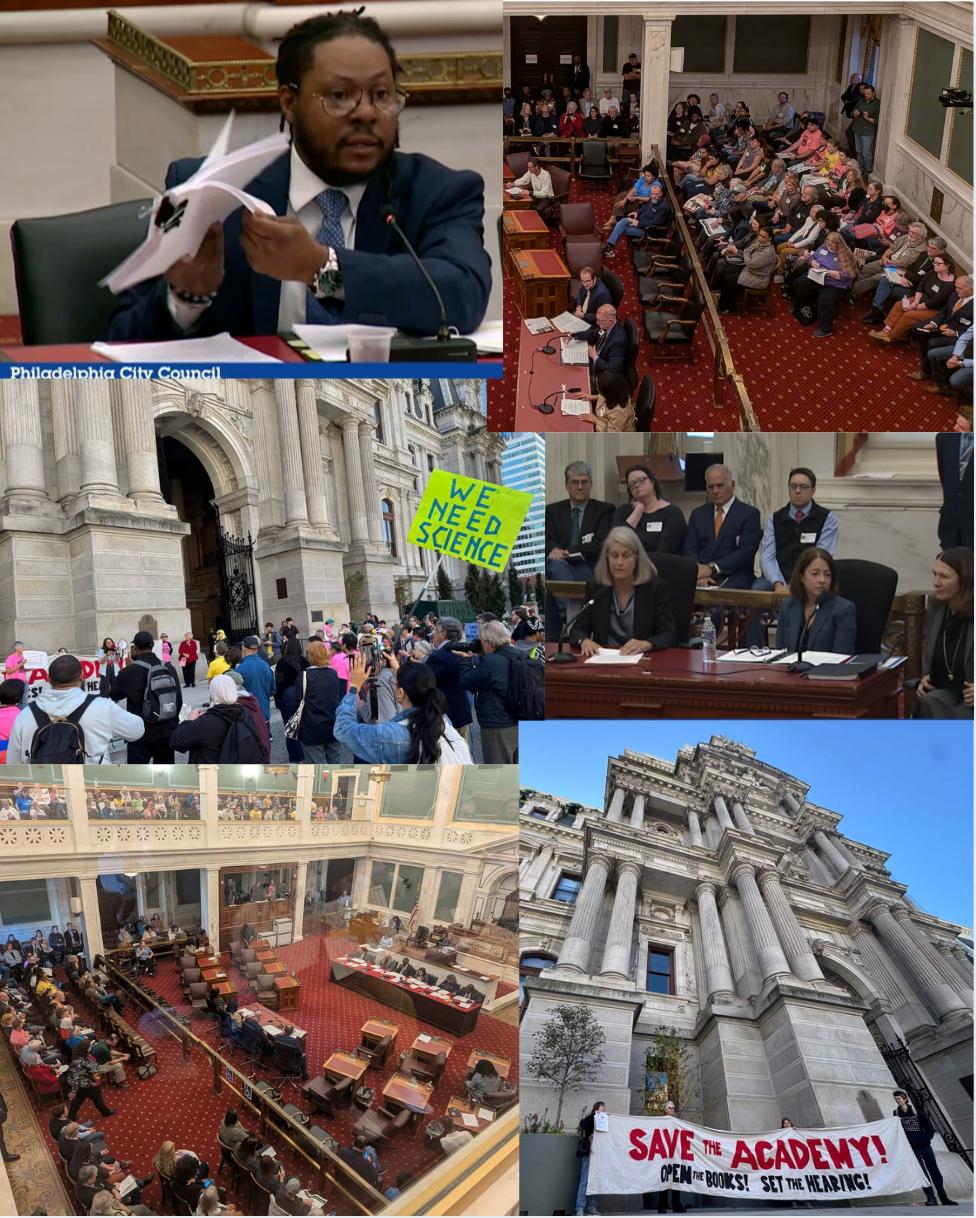
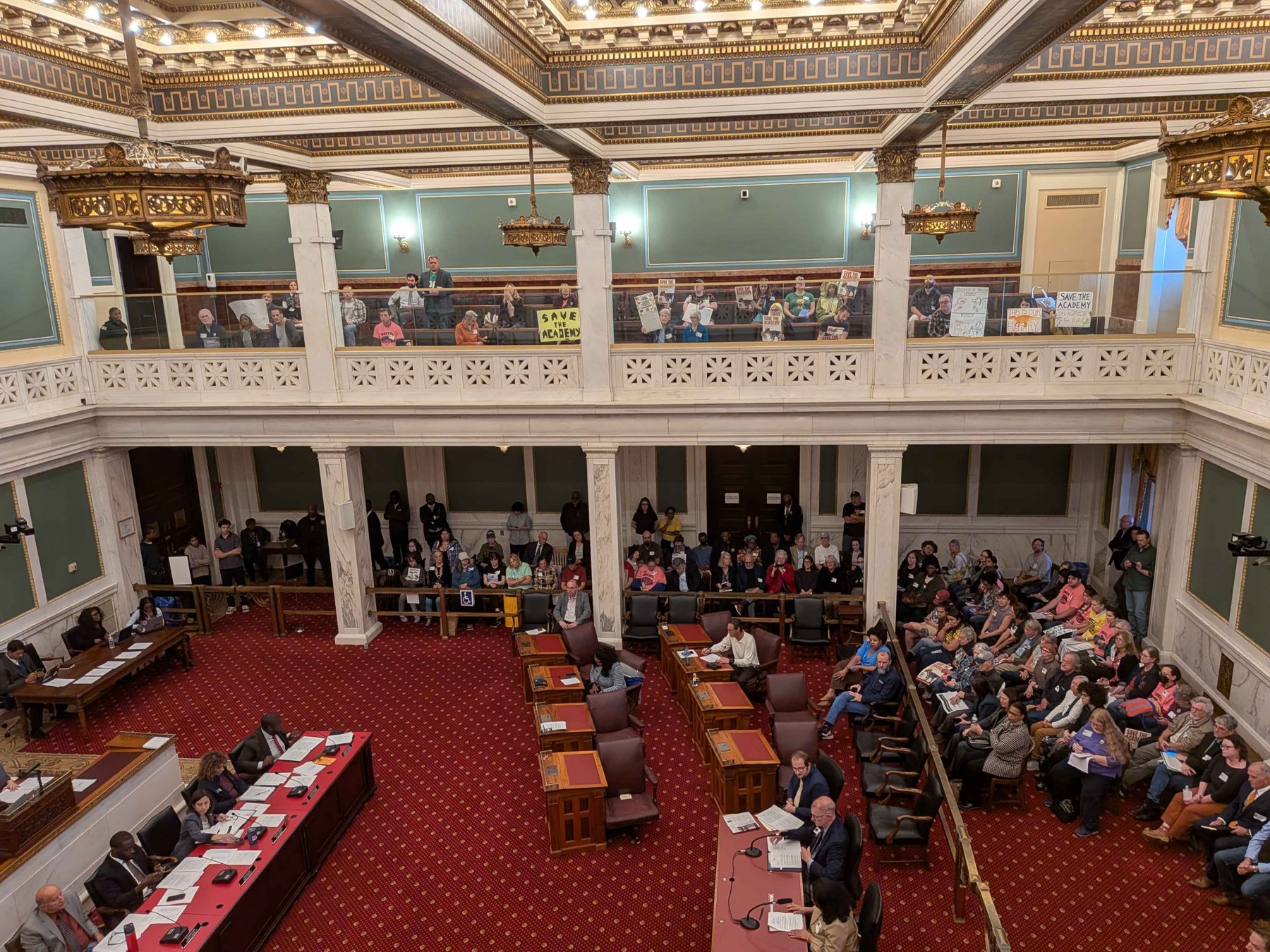
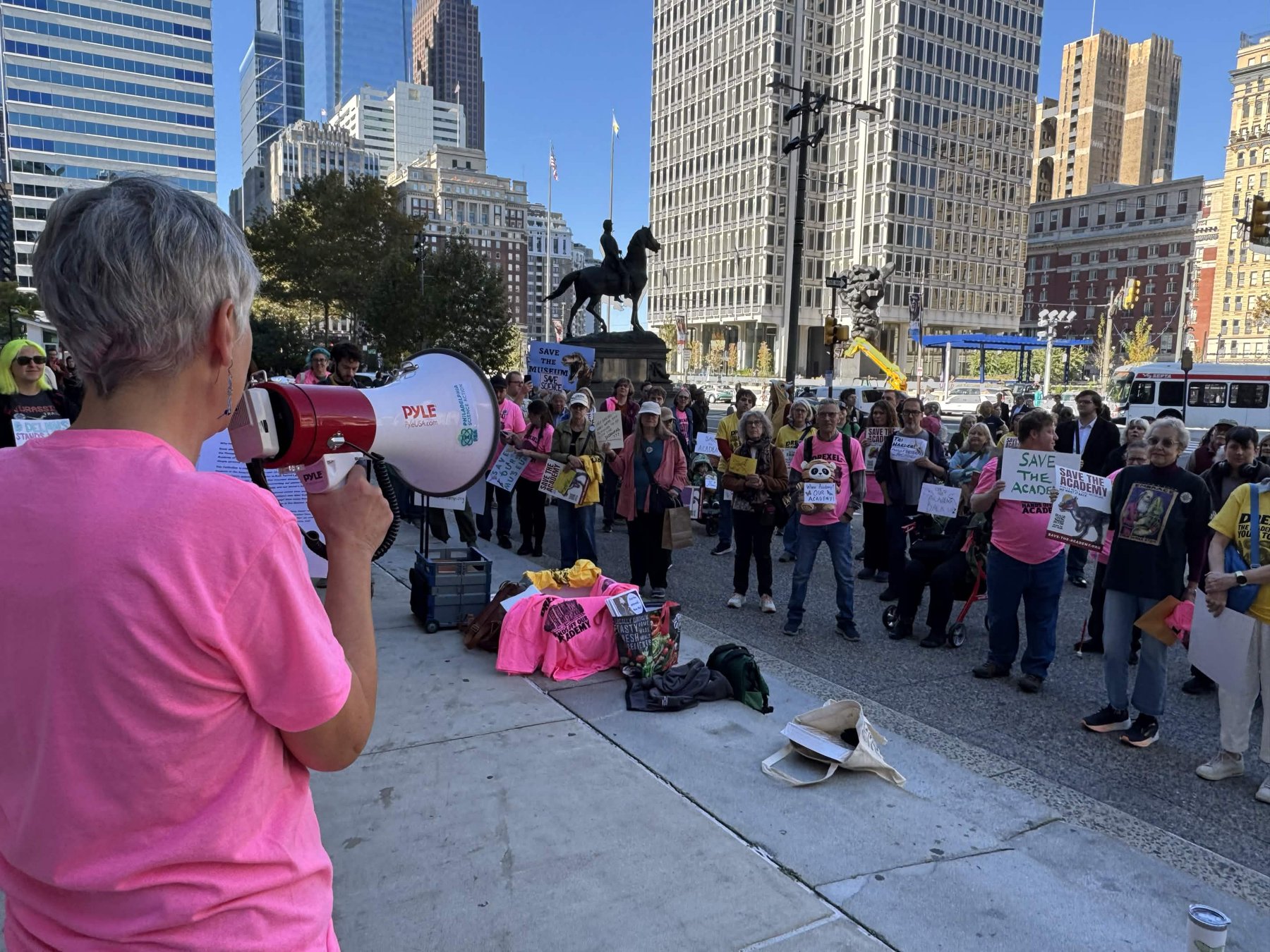
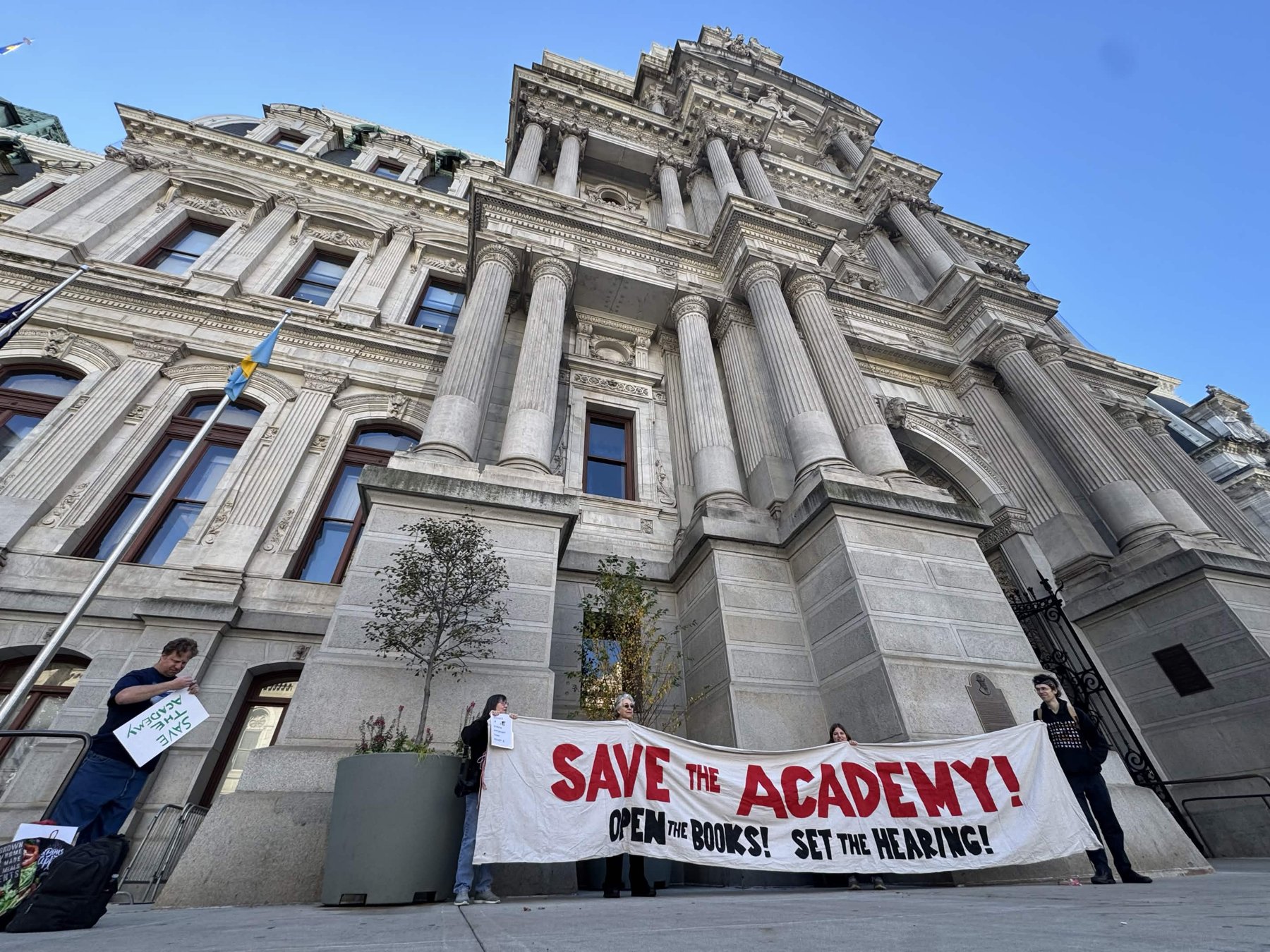
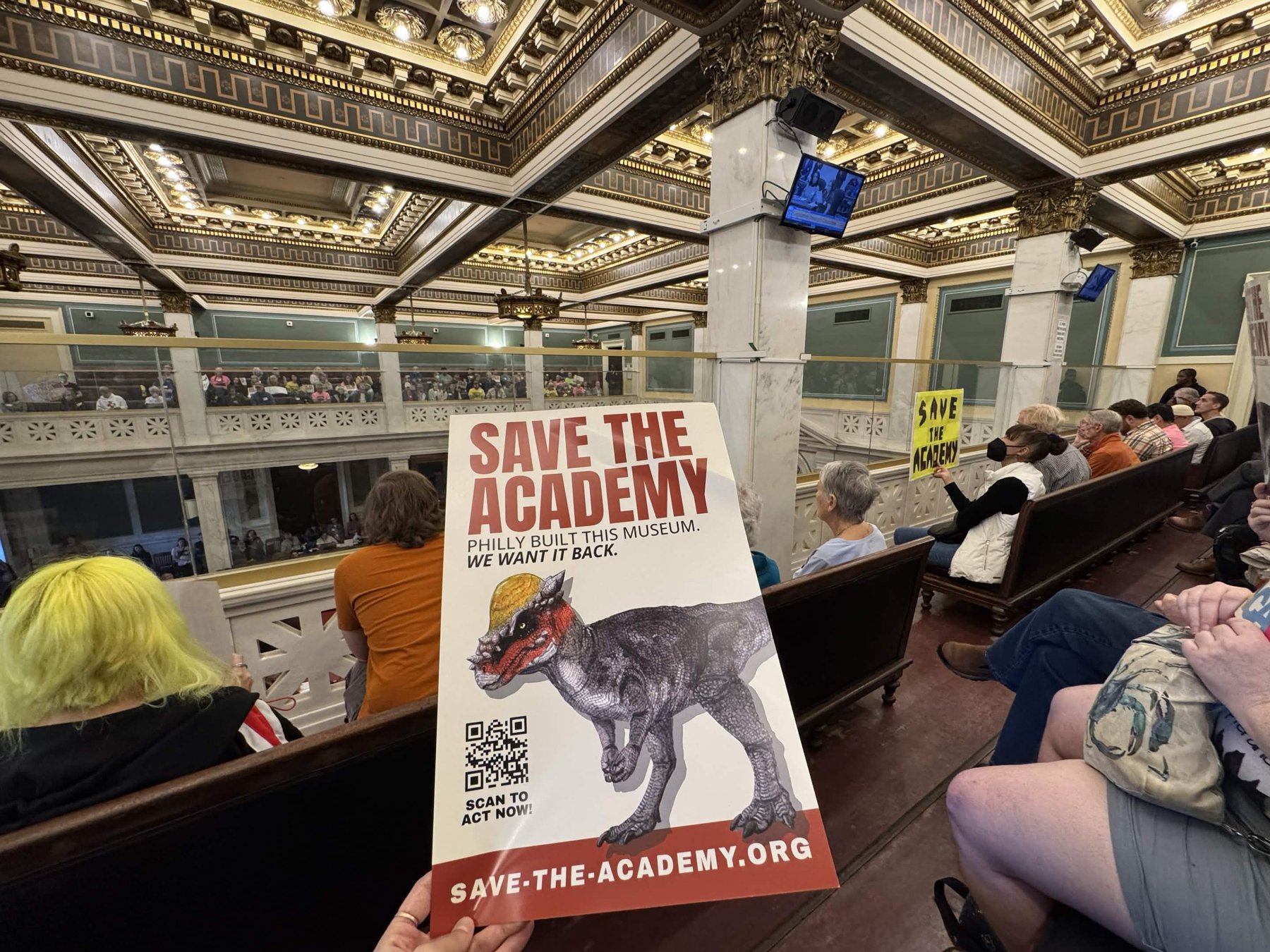
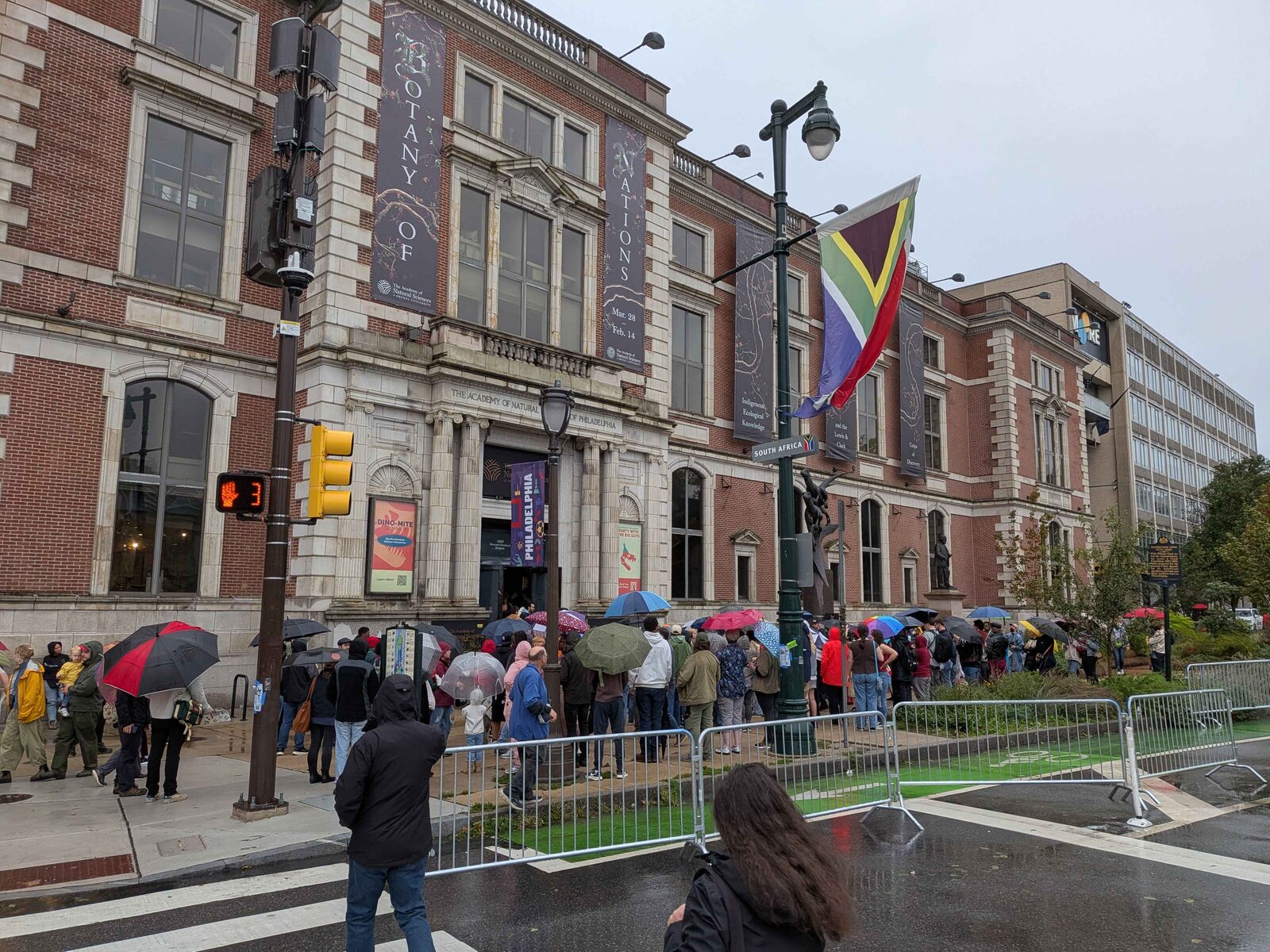
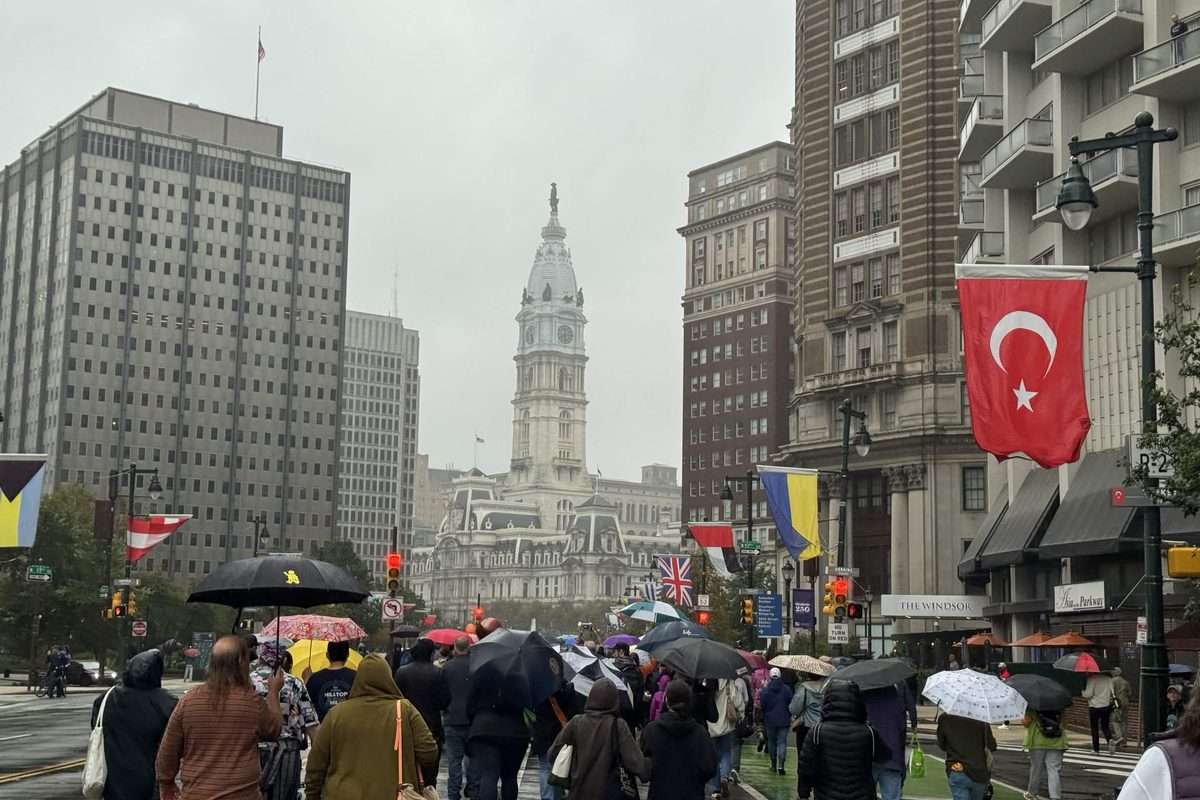
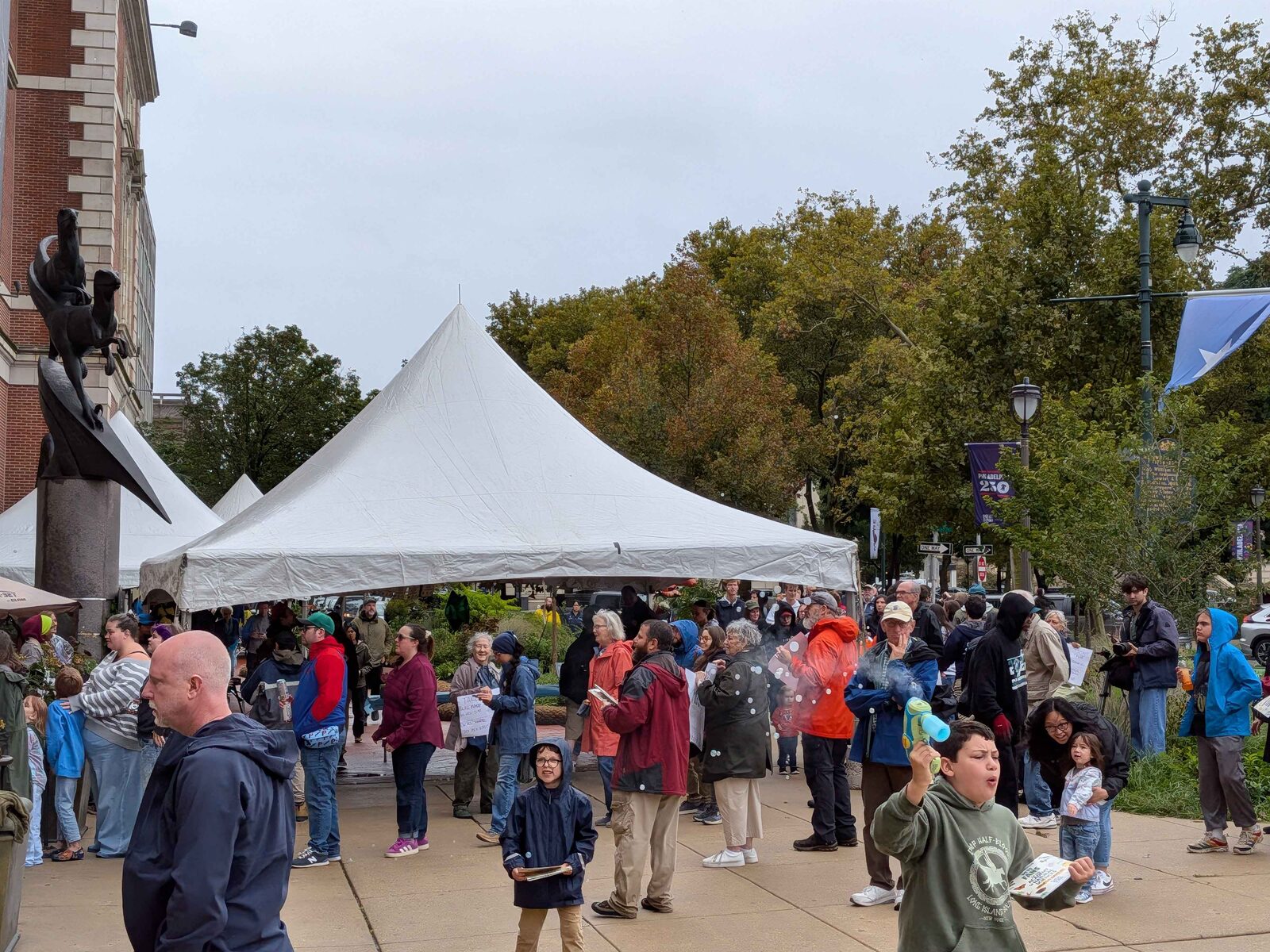
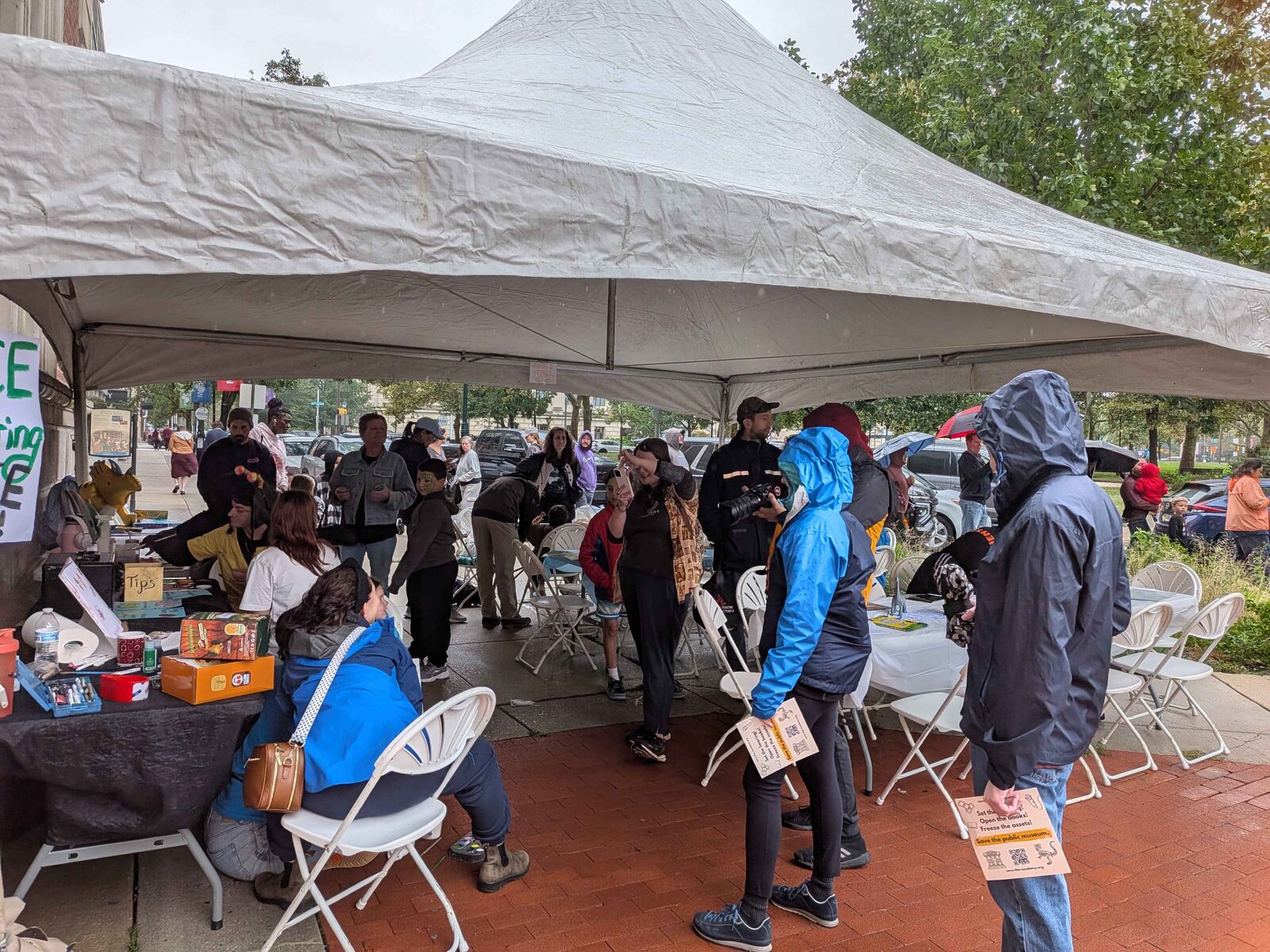
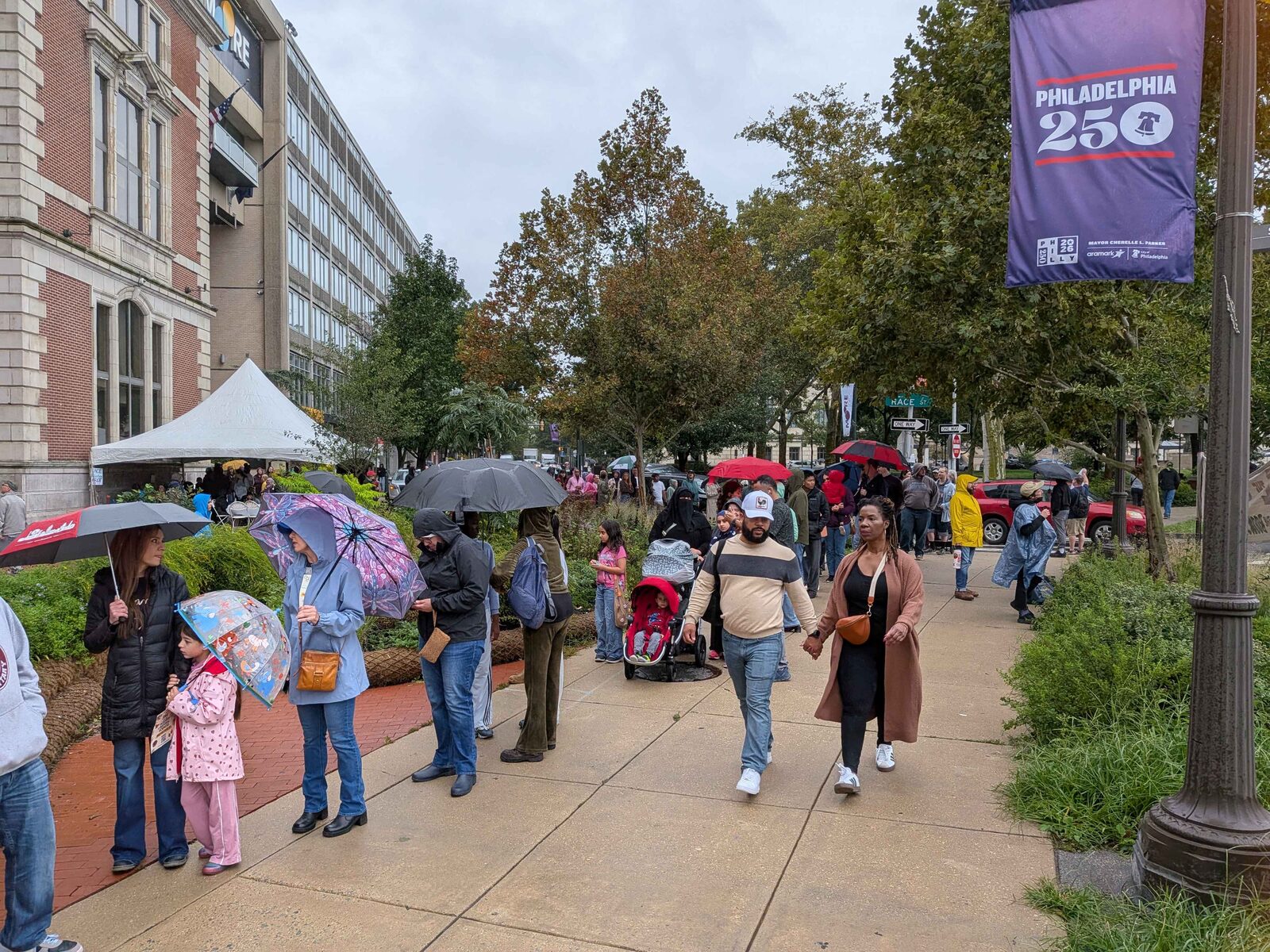
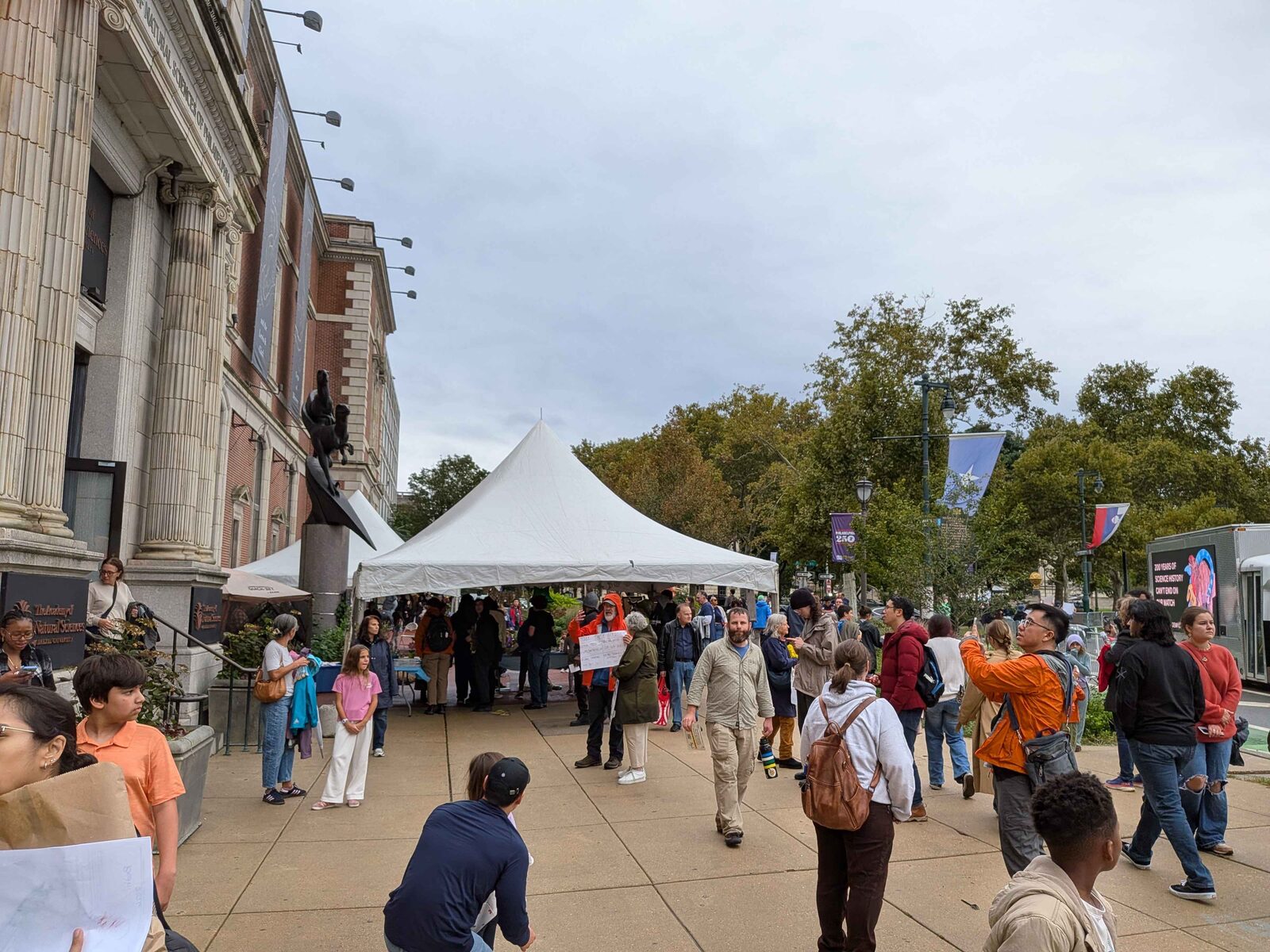
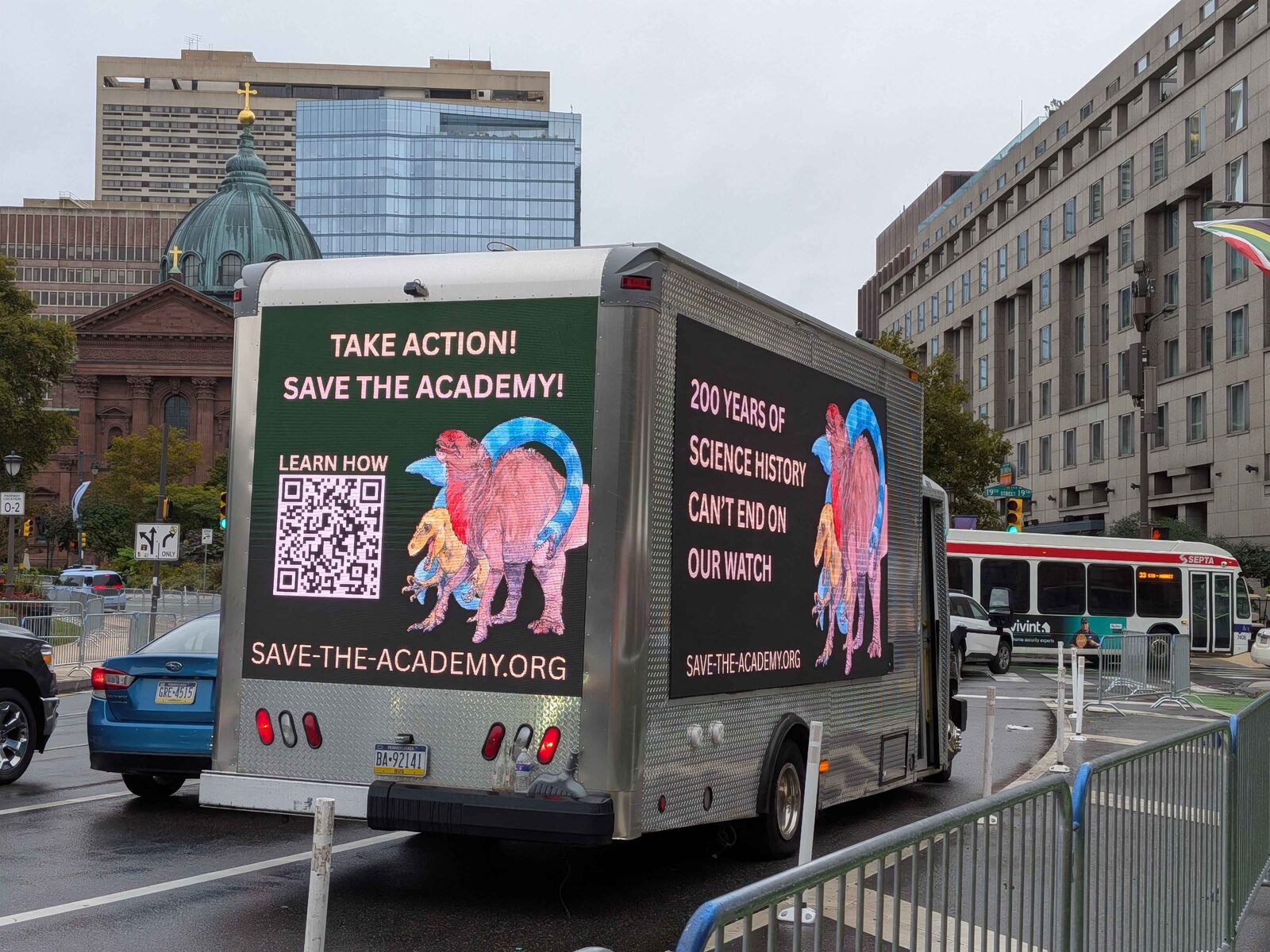
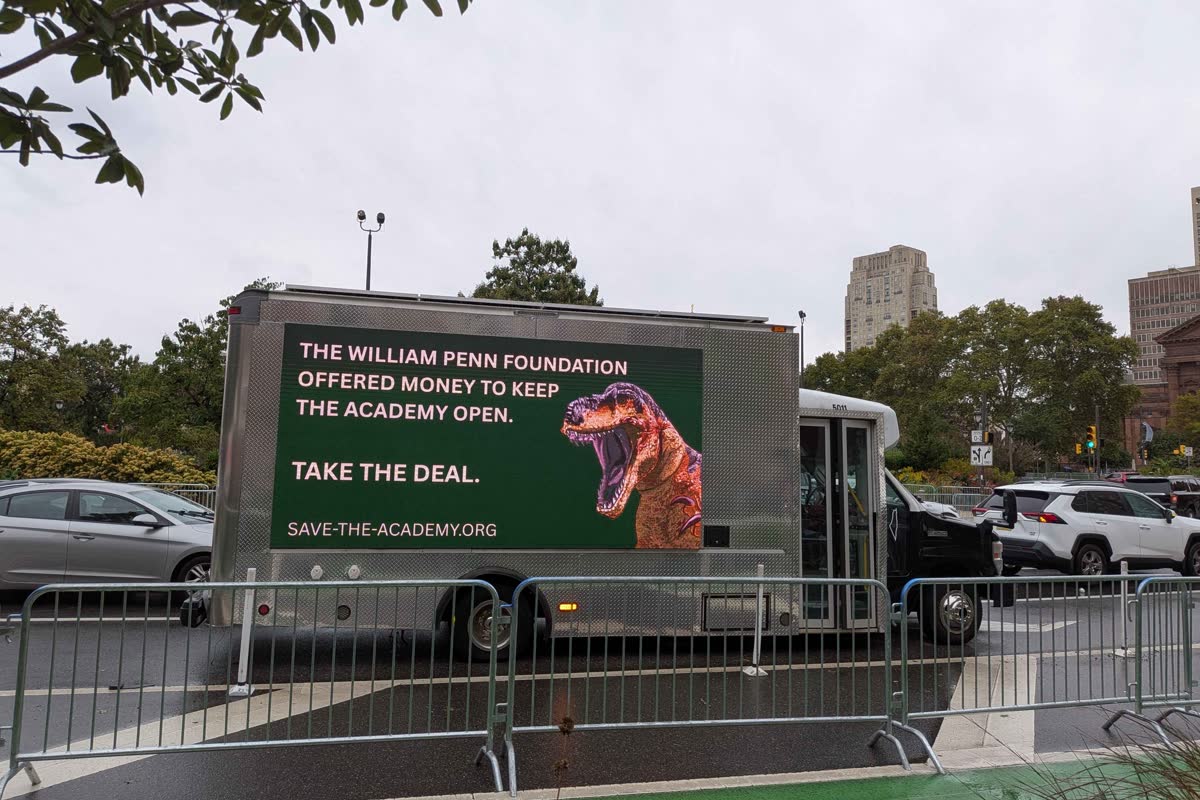
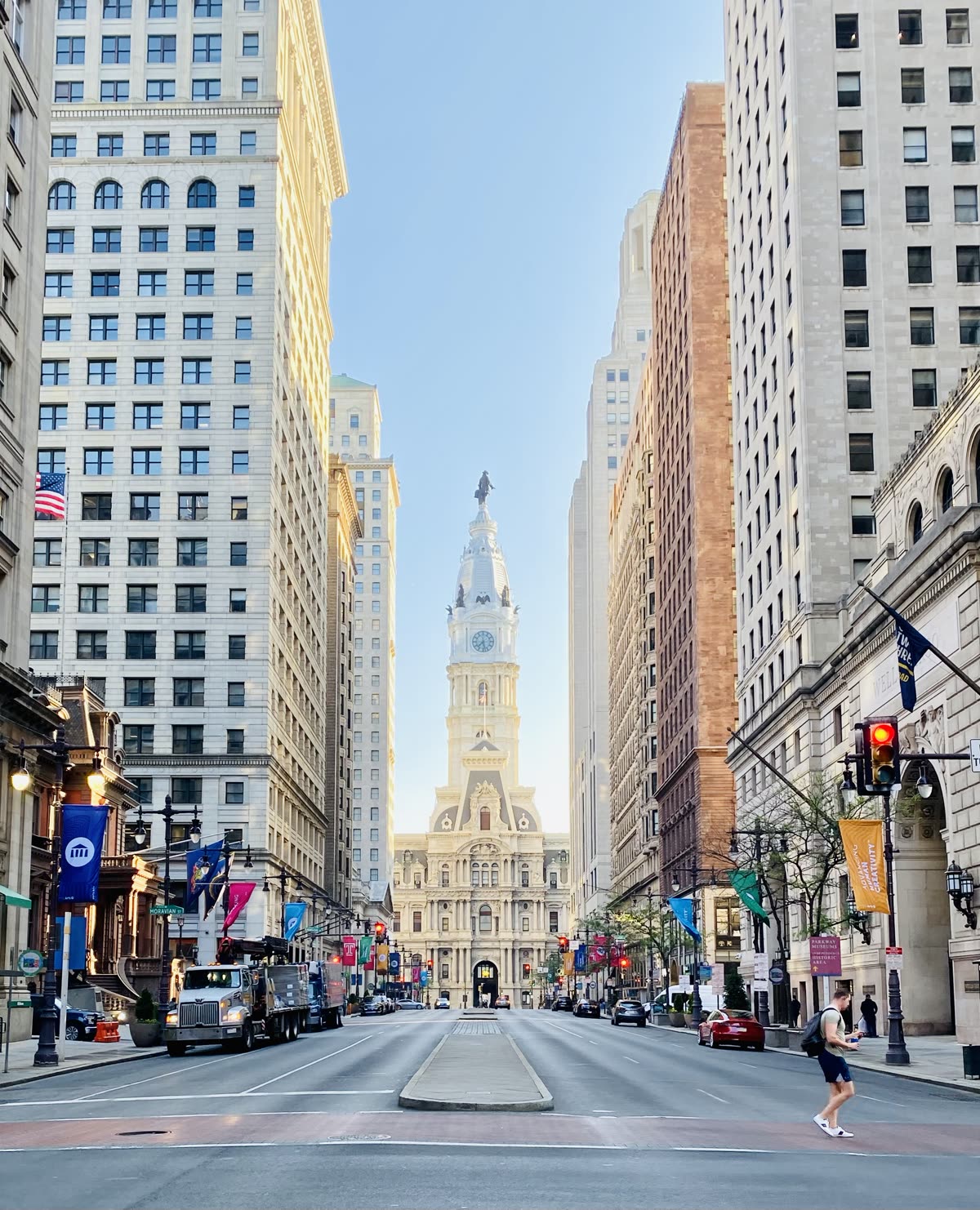
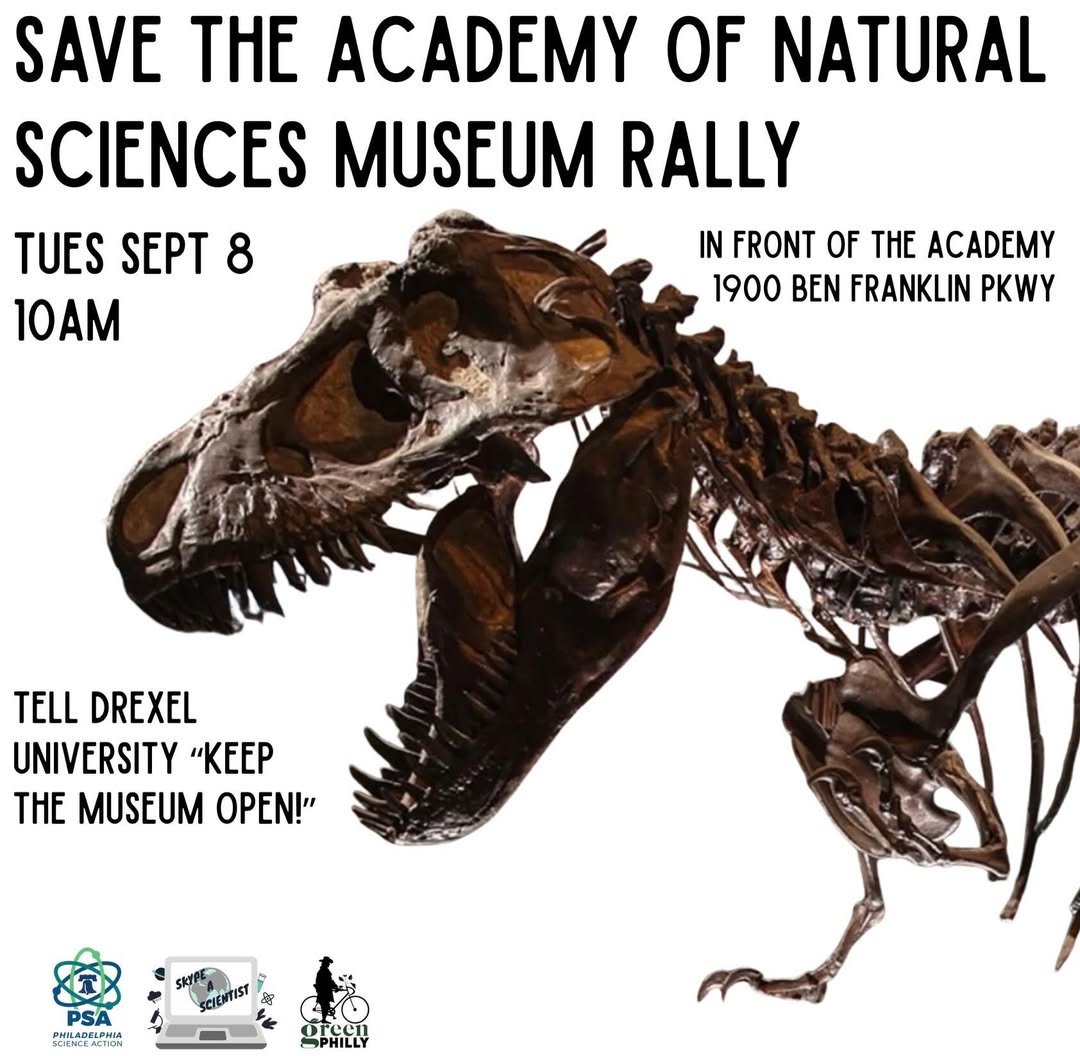
A month after Drexel and the Academy’s board closed the museum, City Council held the hearing it voted for in September. We opened with a press conference outside, handed out the sheet of questions the public wanted asked, and filled Room 400 and the overflow: by our count, between 230 and 250 people came.
Our side spoke first. Dr. Sarah McAnulty testified for the coalition alongside the Greater Philadelphia Cultural Alliance, the Preservation Alliance and the Museum Council: in September alone, 60,726 people visited the museum and bought 865,000 dollars in tickets; the Academy needs a hard reset under an independent commission of natural history museum experts, and a world-class city must have a world-class natural history museum.
Ten things that happened in Room 400
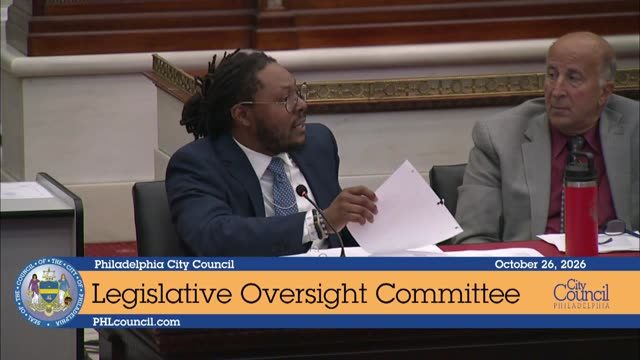 The Mayor’s office sent a letter instead of a witness. Councilmember Young called it disrespect, tore up a copy and ultimately asked for subpoenas; Chair Thomas recessed the hearing for November 16 rather than adjourn it so they can continue the hearing. ▶ Watch at 0:14:53 · the chair’s recess (0:16:55)
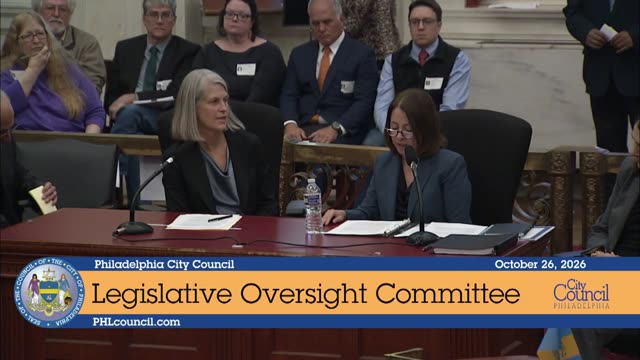 Drexel’s president and chief financial officer stayed away. Staff from the president’s office read their statement: the closure rested on a Pew-funded study that “explicitly recommended” it, and any future museum would be “almost certainly in a different location.” ▶ Watch at 1:13:47 · “a different location” (1:17:57)
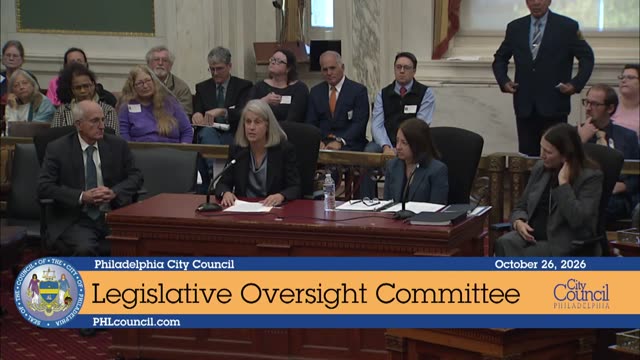 The Academy’s board chair, Suzanne Biemiller, testified that a year ago Drexel gave the trustees a binary choice, merge fully (the $80 million endowment, the building and the collections becoming Drexel’s) or divorce, and that the ultimatum “upended and stymied” the Academy’s own planning. Drexel has no leadership plan for the Academy. ▶ Watch at 1:10:28 · no leadership plan (1:43:23)
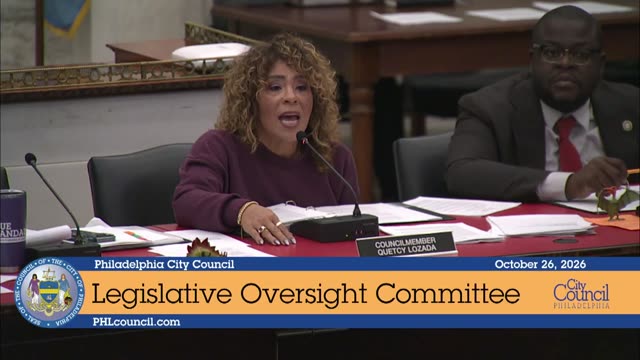 The numbers do not agree. Drexel: public programs cost $7.7 million against $3 million in revenue. The Academy: the museum cost $3.6 million against $2.7 million, open five days a week. Councilmember Lozada: “this is less than a million dollars.” ▶ Watch at 1:51:48 · Lozada (1:57:18) · Drexel’s $7.7 million (1:58:13)
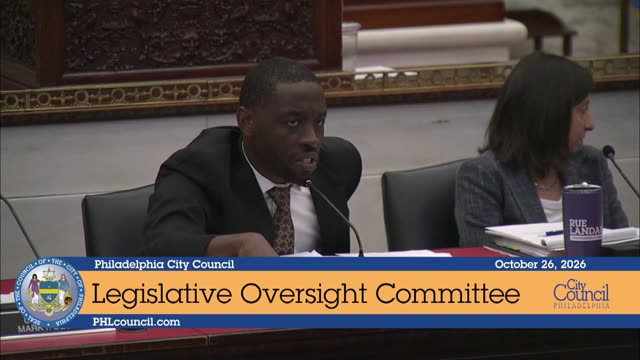 Chair Thomas asked whether the museum would reopen in place if the city and private money covered the gap. Drexel’s answer: “that would certainly be a possibility.” He called it the best answer of the day. ▶ Watch at 2:01:58 · the answer (2:03:18)
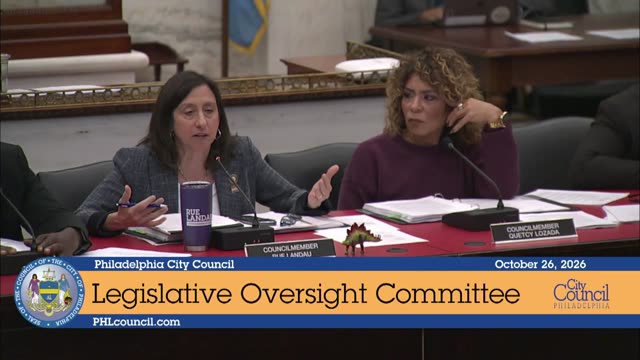 Councilmember Landau read the 2011 affiliation agreement into the record: Drexel funds the Academy’s operating deficits, approves its budgets, had to approve ending a major public program, and committed to rejuvenate the Parkway building. “We’re not doing this again in Philly.” ▶ Watch at 1:44:40 · the agreement’s sections (1:47:27) · “not doing this again” (1:49:43)
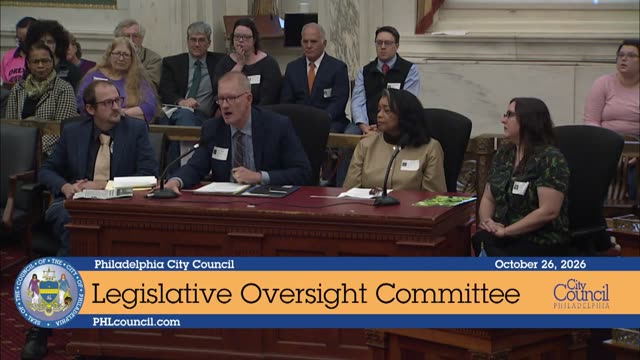 None of the cultural leaders on the first panel had been warned by Drexel, and the Museum Council’s Alex Palma called the William Penn Foundation’s year of funding “a once in a lifetime offer” that has still not been taken up. The Preservation Alliance has retained a historian to nominate the building to the Philadelphia Register, which anyone can file and which can be done in well under a year. ▶ Watch at 1:00:59 · “once in a lifetime offer” (0:51:11) · the Register nomination (1:02:08)
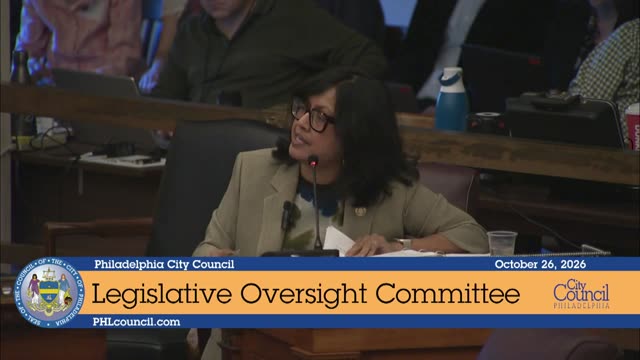 Councilmember Ahmad announced an advisory task force on the Academy’s future and asked whether Drexel sought the Attorney General’s or Orphans’ Court’s approval; Drexel’s counsel said nothing about the entity had changed, so it did not. ▶ Watch at 2:19:23 · the Attorney General question (2:14:03) · Drexel’s counsel (2:15:21)
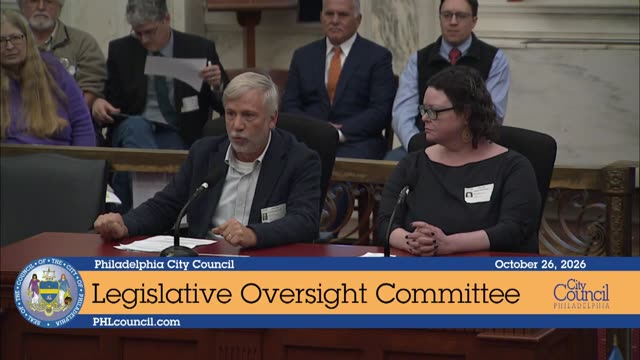 The Academy’s departing education director: 43 positions eliminated, about three-quarters of the public-side staff gone in layoffs since 2019. Ted Daeschler: moving 19 million specimens would likely cost more than fixing the building. ▶ Watch at 2:22:49 · Ted Daeschler (2:28:02)
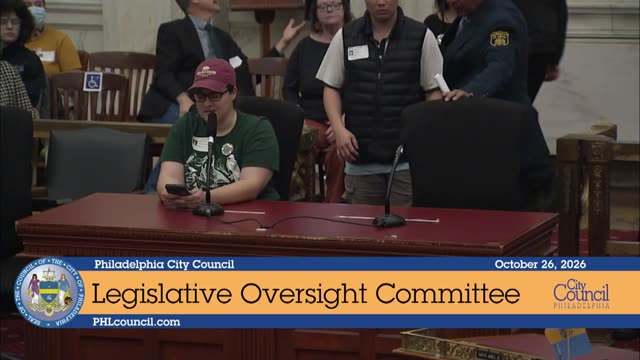 More than 40 members of the public signed up to speak, a minute each, and kept the hearing going until the close: Susan Glassman of the Wagner Free Institute; Marie Gilbert, 80, who ran the museum’s changing exhibits and birthday parties; Mark Sabaj, the Academy’s collection manager of fishes for 26 years; Nancy Peter, who ran the Women in Natural Sciences program; a Drexel alumna who never got an appeal to help; parents with their kids; Amber Redfield, the educator who dusted the T. rex and loses her job in six days; a 16-year-old volunteer the chair asked the room to applaud; Tannia Schrieber on what the public filings show; and a nonprofit fundraiser who told Council “there is no financial crisis.” Councilmember Young read a nine-and-three-quarters-year-old’s letter into the record first. The hearing continues Monday, November 16, at 10 a.m., with subpoenas. ▶ Watch at 2:45:24 · Marie Gilbert (2:56:23) · Amber Redfield (3:28:16) · “no financial crisis” (3:34:04) · the close (3:42:18)
From Council’s recording of the hearing and our own transcript; see also PhillyVoice, the Inquirer and NBC10.
What comes next. The hearing is recessed, not over: it continues Monday, November 16, at 10 a.m., with subpoenas for the witnesses who stayed away, and Council’s official transcript will appear in its Transcript Room. Drexel has since published its testimony.
Watch the recording Our statement on the hearing The hearing page Coverage of the day